

In brief:
- The COEO TRIO Ø98cm takes first place for a restaurant cooking in front of its customers, with a 98 cm plancha in 10 mm steel for up to 90 guests, adjustable feet and the wheel option for 1,350 euros.
- Ofyr Pro 100, Höfats Triple, Le Marquier Mendia and L’Atelier Braséro 850 complete this top 5 on design, modular or accessible positions.
- Steel thickness (10 mm ideal), compliance with French and European fire safety standards and mobility are the three criteria that make the difference in catering.
- Count between 750 and 3,000 euros for a professional brasero suited to cooking in front of customers, amortized over 5 to 7 years thanks to show cooking.
Comparison table of braseros for restaurants
| Brand & model | Steel | Diameter | Guests | Indicative price | Pro asset |
|---|---|---|---|---|---|
| COEO TRIO Ø98cm | Corten or galvanized thermolacquered black, 10 mm | Ø98 cm tilted | up to 90 | €1,350 | Adjustable feet, wheel option, no screws |
| Ofyr Pro 100 | Corten steel | Ø100 cm | up to 50 | around €3,000 | Pro range, iconic design |
| Höfats Triple | Corten or stainless steel | Removable surface | up to 15 | around €990 | Modular grill + plancha + bowl |
| Le Marquier Mendia | Carbon steel | Ø70 cm | bistros and brasseries | around €890 | French manufacturing, sober |
| L’Atelier Braséro 850 | Steel | Ø85 cm | up to 20 | around €1,730 | French premium manufacturing |
Why choose a brasero for cooking in front of customers
A brasero for restaurant cooking in front of customers transforms a meal into a show. Wood-fire cooking on a circular plancha offers a culinary staging that animates the room or terrace and increases the average ticket. This trend, known as show cooking or kitchen spectacle, appeals to bistros, brasseries and high-end hotel-restaurants alike.
Brasero and show cooking: an asset for catering
Cooking in front of customers on a brasero creates an immersive experience that few cooking modes equal. The chef sears meat, fish or vegetables on the plancha heated by embers while flames light the scene. Wood cooking also brings aromas that neither gas nor electric reproduces, justifying a price increase on the menu.
For hotels and restaurants developing an event offering (weddings, seminars, private events), the brasero plancha becomes central equipment: it animates an outdoor space, serves 40 to 90 guests depending on diameter and moves easily between terrace and room.
Brasero vs barbecue: safety on a restaurant terrace
A quality brasero is safer than a traditional charcoal barbecue on a restaurant terrace. The closed cylindrical structure of the brasero contains the embers, limits spark projections and keeps flames away from guests. Conversely, an open barbecue exposes the customer area to sparks and requires a larger safety perimeter.
Professional braseros like the COEO TRIO or Ofyr Pro pass fire safety tests to French and European standards, often required by restaurant insurers to validate terrace installation.
Professional brasero: criteria specific to catering
A professional brasero for cooking in front of customers differs from a particular brasero on four points: capacity (up to 90 guests), steel thickness (10 mm), mobility (no screws or tools, wheels optional) and fire safety compliance. The cooking diameter conditions the service flow: a 98 cm disc allows cooking several dishes simultaneously while guests wait.
COEO TRIO Ø98cm: a brasero for restaurant cooking in front of customers
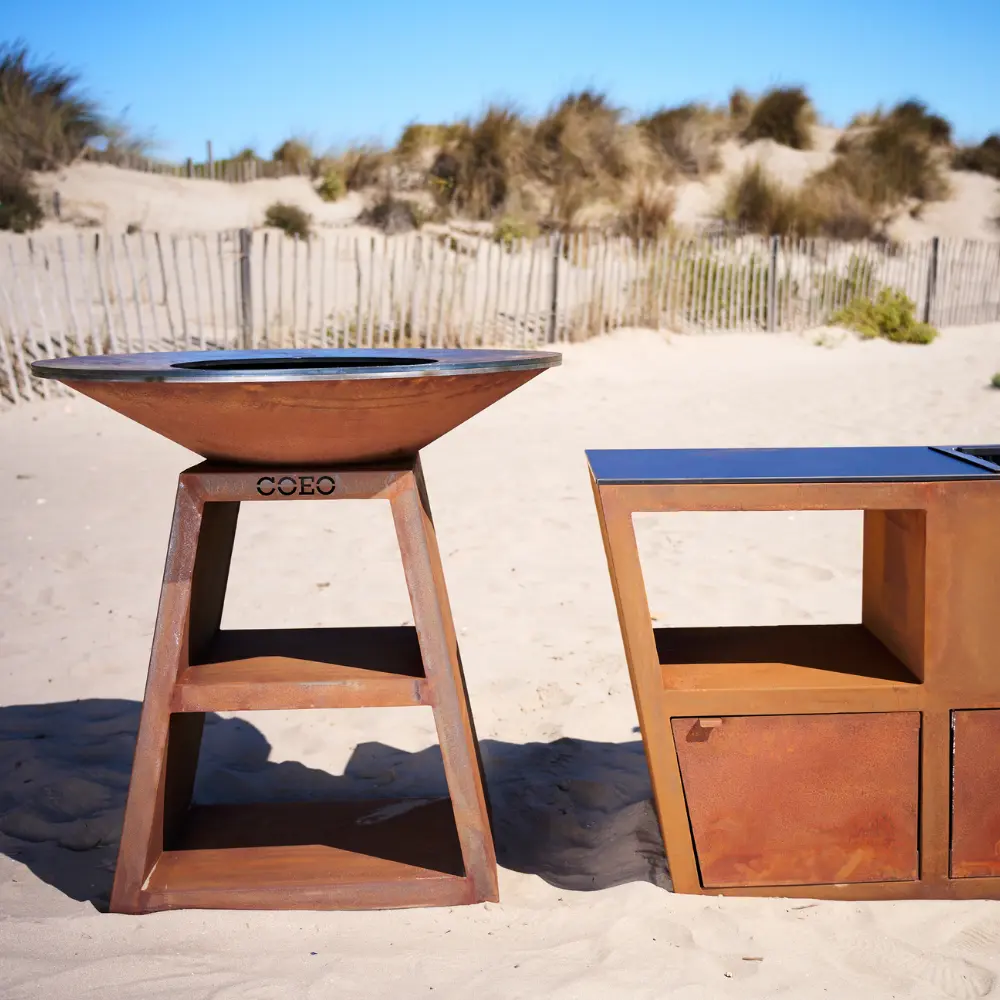
The COEO TRIO Ø98cm stands at the top of this comparison for a restaurant cooking in front of its customers. Designed in France since 2020 by the COEO brand, this 3-in-1 model (brasero, plancha, barbecue) combines a 98 cm circular plancha in 10 mm steel with an integrated air-flow system for optimized combustion. Its price of 1,350 euros offers an excellent value for money in the professional brasero universe.
You can find the entire professional range on the COEO website.
Essential characteristics of the COEO TRIO Ø98cm for catering
- 98 cm circular plancha in 10 mm steel, tilted and without external rim to drain grease during service
- Up to 90 guests served from a single cooking tool, ideal for brasseries, hotels, caterers
- Adjustable feet and wheel option to easily move the brasero between room and terrace
- Adjustable height: 100 cm or 110 cm depending on the chef’s service posture
- Assembly without screws or tools: three stacked elements, perfect for chefs and caterers intervening at events
- Air-flow system integrated for homogeneous combustion and simplified cleaning
- Laboratory testing with food contact, fire safety tests compliant with French and European standards
- Two finishes: natural corten steel or galvanized thermolacquered black steel
Benefits for show cooking and events
For a restaurant that bets on cooking in front of customers, the COEO TRIO Ø98cm offers four decisive advantages: high capacity (up to 90 guests per service), mobility (no tools, optional wheels), safety (validated fire standards) and Made in France. Itinerant caterers and chefs particularly appreciate the fact that assembly takes two minutes without screws, allowing the brasero to be installed or dismantled between two events without equipment.
Comparison of the 4 other braseros selected for kitchen spectacle
Here are the four other brasero plancha models suited to kitchen spectacle and service in restaurant room or terrace.
2. Ofyr Pro 100: the design option for high-end restaurants
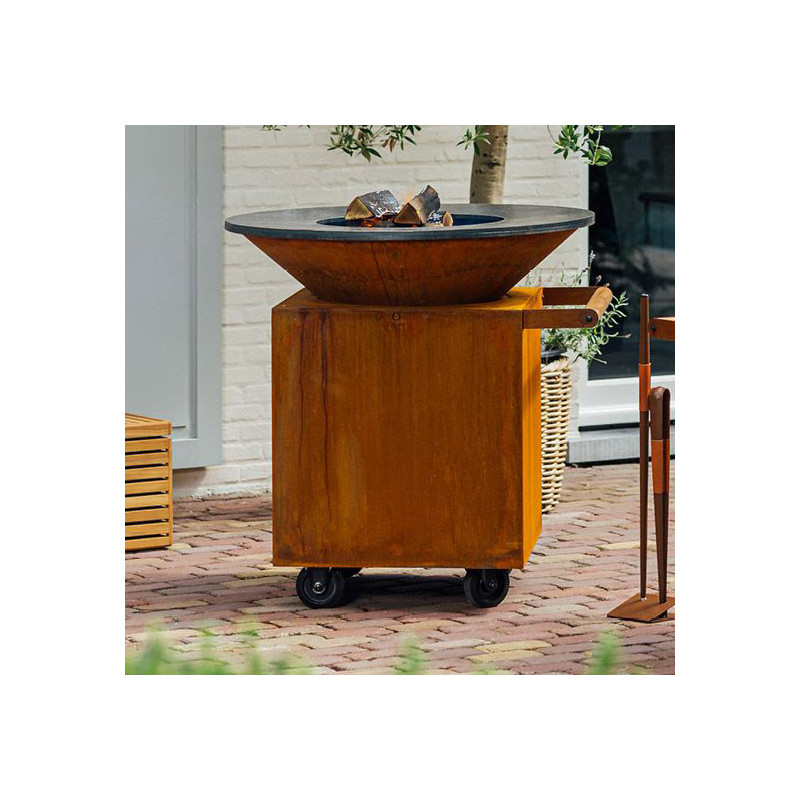
Ofyr is the Dutch brand that popularized the corten steel brasero plancha. The Ofyr Pro 100 range specifically targets catering with a 100 cm cooking diameter and an iconic recognizable design. Count around 3,000 euros for the standard Pro model, with XL and XXL versions and accessories (wood storage, additional plancha) available. Ofyr Pro suits gastronomic restaurants and high-end establishments that bank on design as a differentiating argument.
3. Höfats Triple: the modular option for hybrid concepts
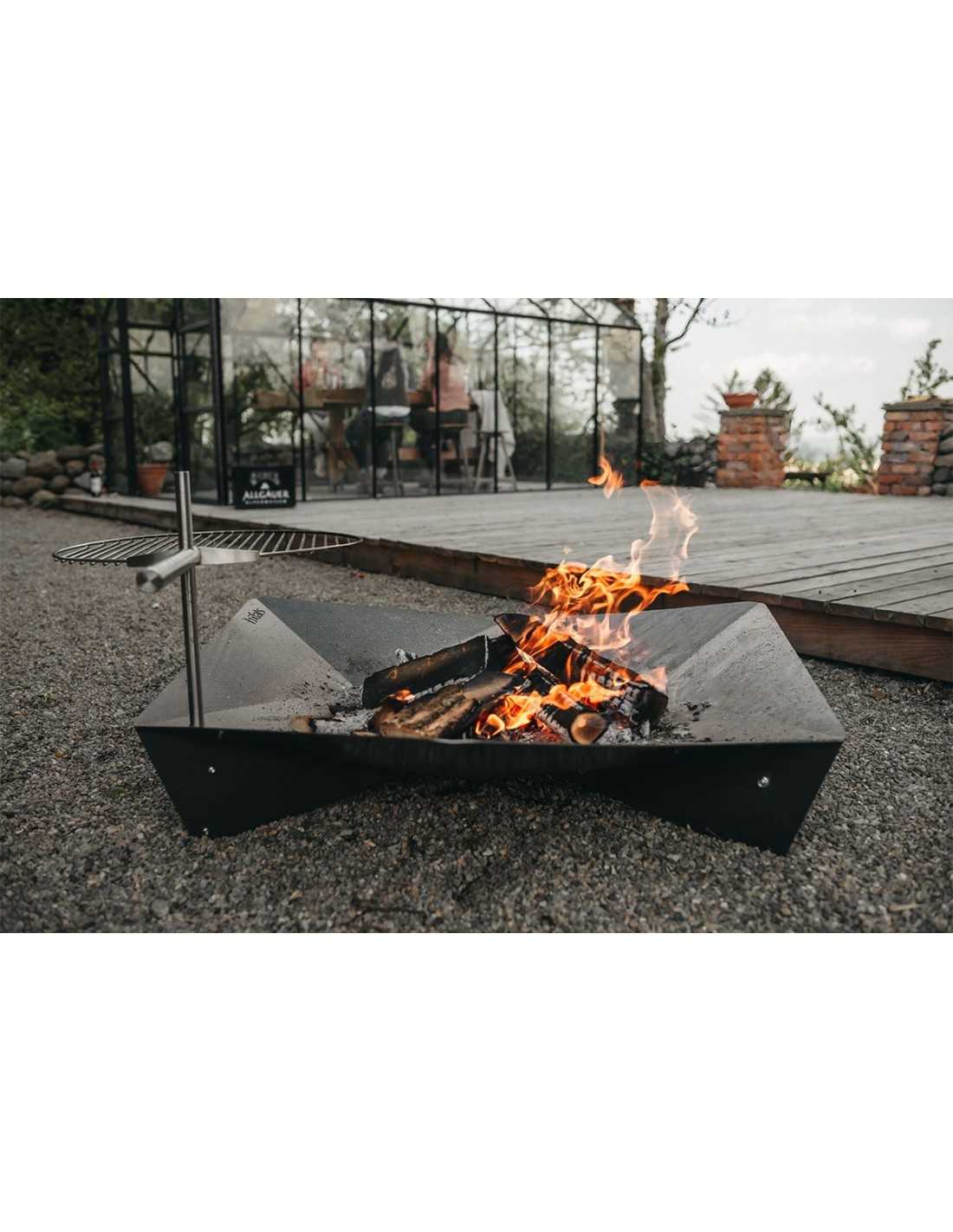
The Höfats Triple is a German modular hearth combining grill, removable disc and bowl on the same base. Designed in corten or stainless steel, it targets restaurants and bars wanting versatile outdoor equipment: plancha cooking at lunch, ambiance brasero in the evening, direct grill for menu dishes. Count around 990 euros for the standard Triple version.
4. Le Marquier Mendia: the French safe bet for bistros and brasseries
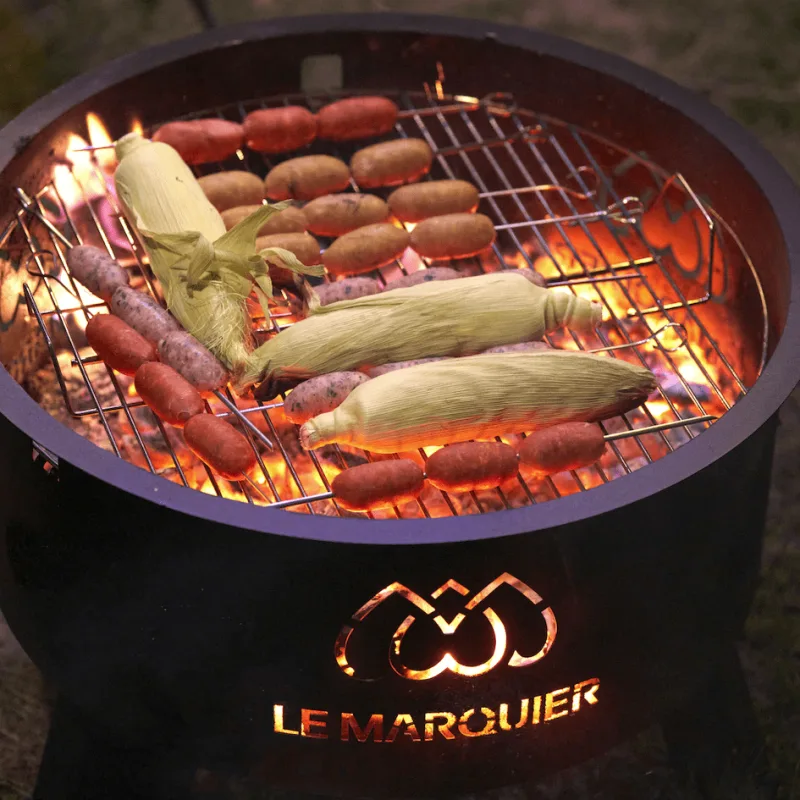
Le Marquier is a historic French brand from the Basque country. The Mendia model offers a brasero in carbon steel, 70 cm plancha, for around 890 euros. It is a sober and durable choice, appreciated by medium-sized bistros and brasseries (up to 15 simultaneous covers) wanting French manufacturing at a reasonable price.
5. L’Atelier Braséro 850: French quality for brasseries
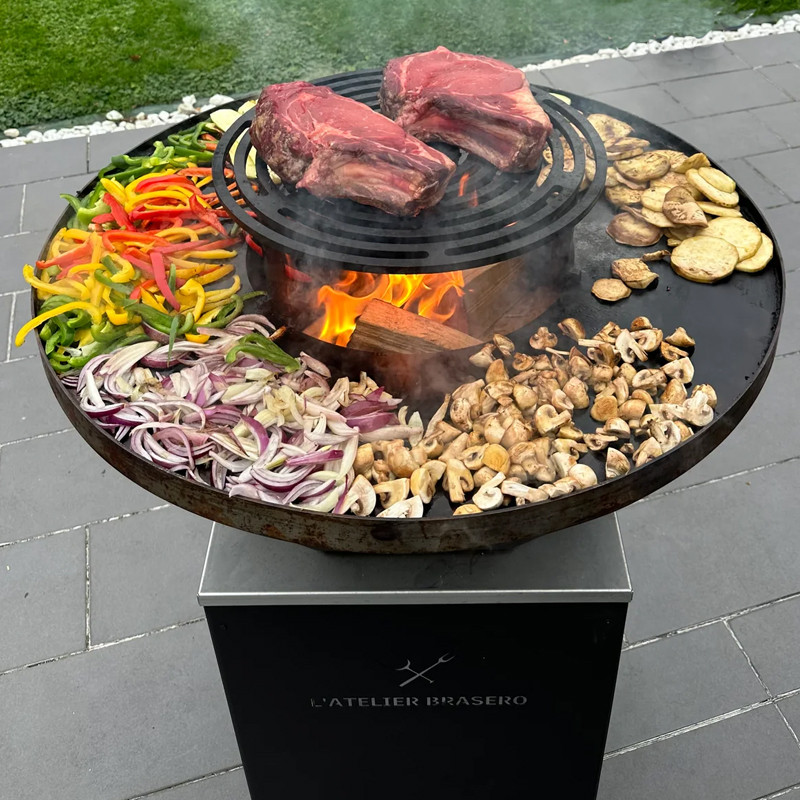
L’Atelier Braséro is a French brand offering the 850 classic model in steel with an 85 cm plancha for 15 to 20 guests, around €1,730. This French manufacturing targets brasseries, gastronomic bistros and high-end establishments with an excellent compromise between robustness and sober design.
Essential criteria for choosing a professional brasero
The choice of a professional brasero for cooking in front of customers depends on four discriminating criteria to examine before any purchase.
Cooking diameter and service flow
The plancha diameter directly determines the number of covers served simultaneously. Count about 12 to 15 cm of surface per guest for comfortable cooking. A 70 cm disc suits a bistro of 10 to 15 covers, an 82 cm disc a brasserie up to 20 covers, a 98 cm disc covers restaurants and events up to 90 guests.
Steel thickness and durability in intensive use
The plancha thickness conditions the lifespan of a brasero in daily service. A 10 mm plate like that of the COEO TRIO resists repeated thermal shocks and guarantees over 20 years of intensive use.
Terrace safety and fire standards
French and European fire safety standards are mandatory to validate the installation of a brasero on a restaurant terrace open to the public. Models tested in laboratory (food contact passages, spark projection tests) like the COEO TRIO or Ofyr Pro are accepted by insurers and local authorities without additional procedure.
Mobility for events and mobile service
For caterers, private chefs and event establishments, the ability to move the brasero between two services is essential. Prefer models with screw-free assembly (COEO TRIO) and the wheel option available on Ø98cm versions. Ofyr Pro and Höfats Triple offer mobile bases as options to ease moving.
Price of a professional brasero and restaurant expense categories
The price of a professional brasero ranges from 750 to 3,000 euros for models suited to cooking in front of customers, and up to 4,000 euros or more for XXL versions or full accessory options. This equipment falls under the kitchen equipment category which represents about 5 to 8% of restaurant turnover, amortized over 5 to 7 years.
The 4 main expense categories of a restaurant are raw materials (28 to 35% of turnover), payroll (35 to 45%), rent and charges (8 to 12%) and equipment (5 to 8%). The brasero investment is rapidly amortized thanks to show cooking: the markup of the average ticket on dishes cooked in front of customers generally covers the amortization in 18 to 30 months depending on attendance.
To go further on the outdoor design of your restaurant, you can consult our comparison of the best brasero plancha grill which details particular and professional models, our guide to design an outdoor terrace, or our comparisons of the best ceramic kamado for value for money and the best French kamado to replace a gas barbecue to complete your outdoor kitchen equipment.
Frequently asked questions
What is the price of a professional brasero?
The price of a professional brasero ranges from 800 to 4,000 euros depending on size, material and brand. For restaurant use with cooking in front of customers, count between 1,350 euros (COEO TRIO Ø98cm) and 3,000 euros (Ofyr Pro 100). More accessible models like Barbecook Nestor start at 899 euros, an accessible option for terrace service. High-end corten steel models with complete accessories or professional XXL versions exceed 4,000 euros.
Why put sand at the bottom of a brasero?
Sand is placed at the bottom of a brasero to protect the bowl from extreme heat of the embers, facilitate ash cleaning and stabilize combustion. A 3 to 5 cm layer of dry sand absorbs thermal shocks, extends the lifespan of carbon or corten steel and prevents deformations on entry-level models. For professional 10 mm steel braseros like the COEO TRIO, this practice is optional.
What is the ideal thickness for a professional brasero?
The ideal thickness for a professional brasero is 8 to 10 mm of steel on the cooking disc. A 10 mm plancha like that of the COEO TRIO offers superior thermal inertia, resists repeated thermal shocks of service and guarantees over 20 years of intensive restaurant use. Below 6 mm, steel deforms quickly with temperature variations.
What are the 4 main expense categories of a restaurant?
The 4 main expense categories of a restaurant are raw materials (28 to 35% of turnover), payroll (35 to 45%), rent and charges (8 to 12%) and kitchen equipment (5 to 8% amortized over several years). Investment in a professional brasero for cooking in front of customers falls under equipment and is generally amortized over 5 to 7 years thanks to the added value of show cooking.
Which brasero for a restaurant terrace?
For a restaurant terrace, prefer a professional brasero with cooking diameter 80 to 100 cm, corten steel or 10 mm, movable (adjustable feet or wheels) and compliant with French and European fire safety standards. The COEO TRIO Ø98cm ticks all these criteria for around 1,350 euros, the Ofyr Pro 100 is priced around 3,000 euros with a design positioning.